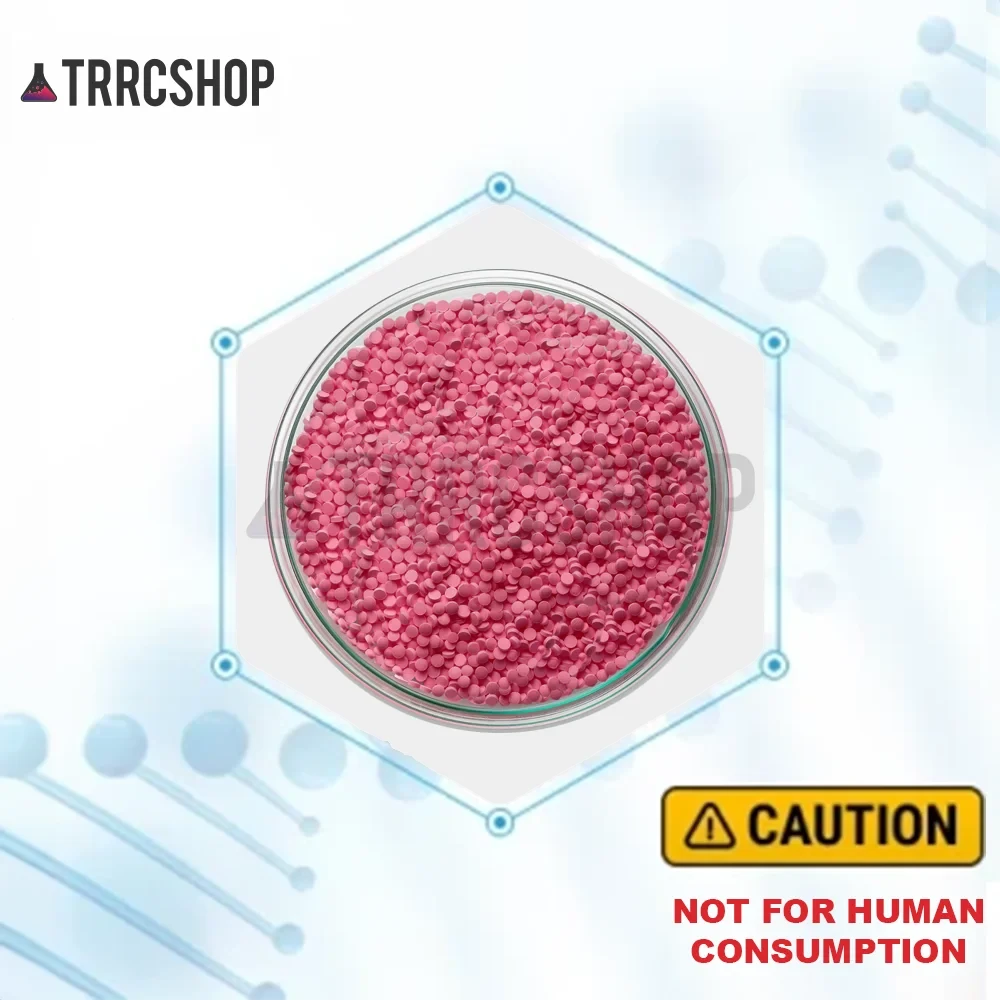
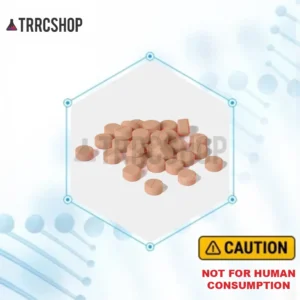
1V-LSD Valerie 225mcg

Price range: €9,95 through €84,95

1V-LSD, also known as 1-valeryl-lysergic acid diethylamide, is a novel synthetic lysergamide and research chemical. It is closely related to LSD (Lysergic acid diethylamide) and other lysergamides such as 1P-LSD, 1B-LSD, and ALD-52.

SKU: 1vlsd-225mcg-1pel Category:

1V-LSD, also known as 1-valeryl-lysergic acid diethylamide, is a novel synthetic lysergamide and research chemical. It is closely related to LSD (Lysergic acid diethylamide) and other lysergamides such as 1P-LSD, 1B-LSD, and ALD-52.

  • 1V-LSD Valerie 225mcg is a research chemical, meaning it is an unknown substance. Therefore, there may be unknown effects during research. Always take appropriate precautions during research.
  • Research chemicals can cause respiratory irritation.
  • Research chemicals may cause eye irritation.
  • Research chemicals are not intended for consumption by humans, animals, or other living beings.
  • Research chemicals must not be poured into drains or disposed of incorrectly.

What to do if you or someone else is exposed to a research chemical:

  • In case of contact with eyes, rinse with water for at least 15 minutes.
  • In case of contact with skin, wash thoroughly with soap and water.
  • If inhaled, remove victim to fresh air immediately and keep in a position comfortable for breathing. If breathing difficulties persist, seek medical attention.
  • When in doubt, always seek medical advice.

How to conduct research:

  • Conduct research only in a professional environment and wear appropriate personal protective equipment such as gloves, safety glasses, lab coats, and respiratory protection if needed.
  • Do not expose to heat sources.
  • Please keep it in a dry environment at room temperature and store it in the proper packaging and out of reach of children and animals.
Hazard Warning

  • 1V-LSD Valerie 225mcg is a research chemical, meaning it is an unknown substance. Therefore, there may be unknown effects during research. Always take appropriate precautions during research.
  • Research chemicals can cause respiratory irritation.
  • Research chemicals may cause eye irritation.
  • Research chemicals are not intended for consumption by humans, animals, or other living beings.
  • Research chemicals must not be poured into drains or disposed of incorrectly.

What to do if you or someone else is exposed to a research chemical:

  • In case of contact with eyes, rinse with water for at least 15 minutes.
  • In case of contact with skin, wash thoroughly with soap and water.
  • If inhaled, remove victim to fresh air immediately and keep in a position comfortable for breathing. If breathing difficulties persist, seek medical attention.
  • When in doubt, always seek medical advice.

How to conduct research:

  • Conduct research only in a professional environment and wear appropriate personal protective equipment such as gloves, safety glasses, lab coats, and respiratory protection if needed.
  • Do not expose to heat sources.
  • Please keep it in a dry environment at room temperature and store it in the proper packaging and out of reach of children and animals.
Quantity

1, 5, 10