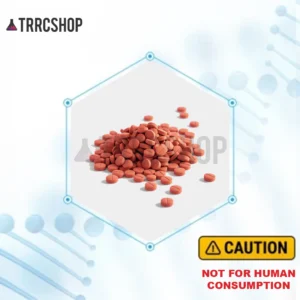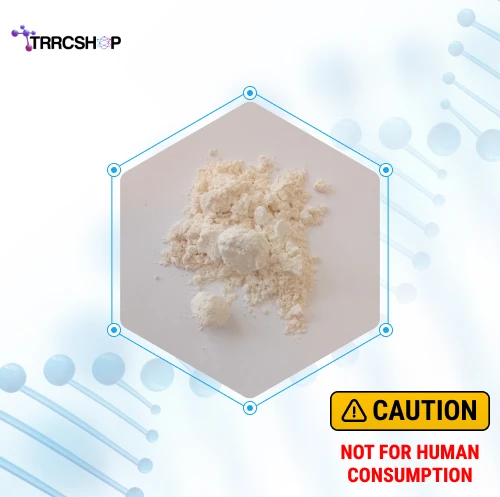
DPT HCL

Price range: €20,00 through €749,00

DPT fumarate properties

Synonym: N,N-Dipropyltryptamine
CAS Number: 61-52-9
IUPAC:N-[2-(1H-indol-3-yl)]ethyl-N-propylpropan-1-amine
Formula: C16H24N2
Molar mass: 244.382 g/mol
Purity: >97%
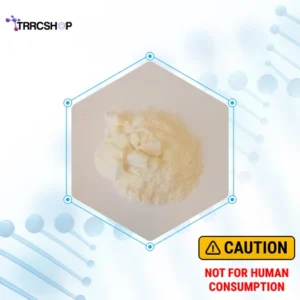
SKU: dpt-hcl-0.25g Category:

DPT HCl

DPT is a substance that is only sold for research purposes and is therefore not intended for consumption.

DPT HCL remains stable for up to 2 years when stored in the right environment. DPT is intended for research purposes and not for human consumption. Therefore, it is important to store the product out of the reach of children and pets.

Hazard statement

DPT may cause respiratory irritation
DPT may cause eye irritation.
Discharging research chemicals into the environment is prohibited.

IF IN EYES: Rinse eyes gently with water for five minutes. Remove contact lenses, if present and easy to do.

DPT IN CONTACT WITH SKIN: Wash skin with soap and water.

IF INHALED OF DPT: Remove victim to fresh air and keep in a position comfortable for breathing.

DPT fumarate properties

Synonym: N,N-Dipropyltryptamine
CAS Number: 61-52-9
IUPAC:N-[2-(1H-indol-3-yl)]ethyl-N-propylpropan-1-amine
Formula: C16H24N2
Molar mass: 244.382 g/mol
Purity: >97%
Hazard Warning

  • DPT HCL is a research chemical, meaning it is an unknown substance. Therefore, there may be unknown effects during research. Always take appropriate precautions during research.
  • Research chemicals can cause respiratory irritation.
  • Research chemicals may cause eye irritation.
  • Research chemicals are not intended for consumption by humans, animals, or other living beings.
  • Research chemicals must not be poured into drains or disposed of incorrectly.

What to do if you or someone else is exposed to a research chemical:

  • In case of contact with eyes, rinse with water for at least 15 minutes.
  • In case of contact with skin, wash thoroughly with soap and water.
  • If inhaled, remove victim to fresh air immediately and keep in a position comfortable for breathing. If breathing difficulties persist, seek medical attention.
  • When in doubt, always seek medical advice.

How to conduct research:

  • Conduct research only in a professional environment and wear appropriate personal protective equipment such as gloves, safety glasses, lab coats, and respiratory protection if needed.
  • Do not expose to heat sources.
  • Please keep it in a dry environment at room temperature and store it in the proper packaging and out of reach of children and animals.
Quantity

0.25, 0.5, 1, 2, 5, 10, 25